Expert Penile Implant Revision Surgery for Mechanical Failure, Dissatisfaction, and Complex Cases
Choosing to undergo penile implant surgery is a life-changing decision. For most men, an inflatable penile prosthesis restores intimacy, confidence, and quality of life.
Unfortunately, not every penile implant delivers the expected result.
Some men experience mechanical failure, while others are disappointed with penile length, pump position, cosmetic appearance, persistent pain, or erectile function. Many have been told that “nothing more can be done.”
That simply isn’t true.
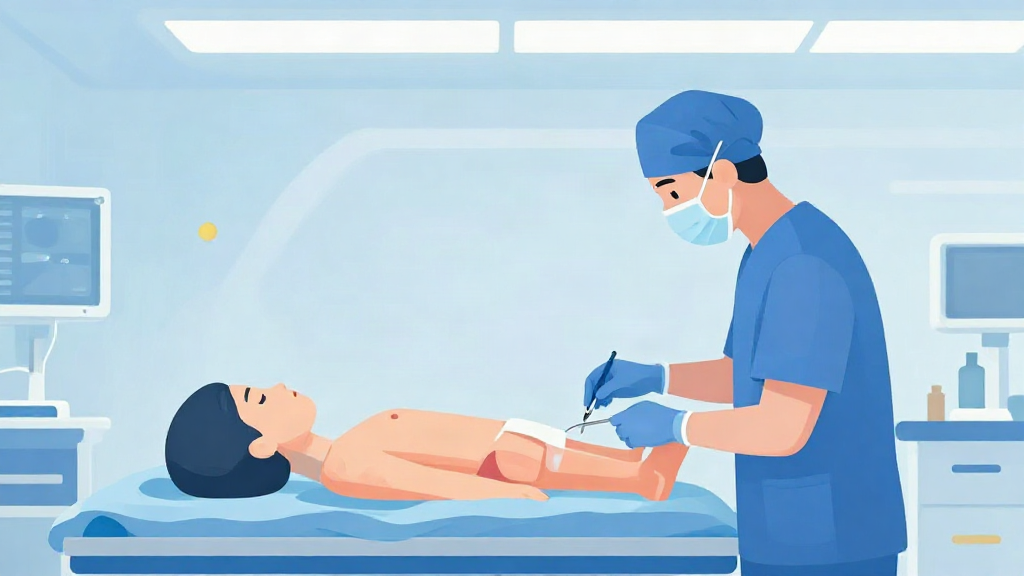
As a urologist specializing in complex penile prosthesis surgery, revision surgery, implant exchange, and reconstruction, I frequently help men who have undergone previous penile implant surgery regain function, improve appearance, and restore confidence.
Why Do Penile Implants Need Revision Surgery?
Modern penile implants are extremely reliable, but no prosthesis lasts forever.
Revision surgery may become necessary because of:
Mechanical Failure
The implant itself can eventually wear out.
Common problems include:
- Fluid leak
- Cylinder leak
- Reservoir leak
- Tubing disconnection
- Lock-out pump malfunction
- Pump that no longer inflates
- Auto-inflation
- Failure to deflate
- Device no longer becoming rigid
Most modern penile prostheses function well for many years, but like any mechanical device, eventual replacement may become necessary.
Unsatisfactory Surgical Outcome
Some patients are unhappy despite a functioning implant.
Common concerns include:
- Loss of penile length
- Poor girth
- High-riding pump
- Pump difficult to locate
- Visible tubing
- Uneven cylinders
- Penile curvature
- Persistent bending
- Floppy glans
- Poor cosmetic appearance
- Difficulty with intercourse
Many of these problems can be corrected with revision surgery.
Implant Infection
Although uncommon, infection remains one of the most serious complications.
Symptoms may include:
- Persistent pain
- Swelling
- Redness
- Drainage
- Fever
- Device exposure
In experienced hands, many infections can be treated using modern salvage techniques.
Device Erosion
Occasionally a cylinder or pump may erode into surrounding tissues.
This requires prompt evaluation by a penile prosthesis specialist.
Implant Malposition
The cylinders or pump may not sit in the optimal position.
Examples include:
- Pump too high
- Pump too low
- Cylinder crossover
- Cylinder displacement
- Distal erosion
- Proximal migration
Correct positioning often significantly improves comfort and function.
Why Revision Surgery Is More Complex Than Primary Penile Implant Surgery
Revision surgery is very different from first-time penile implant surgery.
Previous operations often leave:
- Scar tissue
- Corporal fibrosis
- Tissue contracture
- Altered anatomy
- Previous graft material
- Reservoir scarring
- Infection-related damage
These cases require advanced reconstructive techniques and careful surgical planning.
Not every surgeon performs complex penile implant revisions on a routine basis.
Experience matters.
Common Reasons Patients Travel for Revision Surgery
Many of my patients come from across the country after experiencing:
- Failed penile implant
- Mechanical breakdown
- Multiple prior surgeries
- Loss of penile length
- Poor cosmetic outcome
- Pain with inflation
- Difficulty cycling the implant
- Persistent curvature
- Floppy glans syndrome
- Unsatisfactory pump position
- Penile shortening after implant surgery
- Implant placed by another surgeon
These are often highly specialized cases that benefit from referral to a reconstructive prosthetic urologist.
Advanced Revision Techniques
Depending on your individual situation, revision surgery may include:
Complete Implant Exchange
Replacement of the entire prosthesis with a new device.
Pump Repositioning
Improving comfort and ease of use.
Reservoir Revision
Replacement or relocation of the reservoir.
Cylinder Upsizing
When appropriate, larger cylinders may improve penile length and rigidity.
Corporal Reconstruction
For patients with severe scarring or fibrosis.
Penile Straightening
Correction of persistent curvature associated with Peyronie’s disease.
Penile Length Restoration
Selected patients may benefit from advanced reconstructive procedures designed to maximize penile length while maintaining implant function.
Glans Support Procedures
Correction of floppy glans or distal penile instability when indicated.
Can Penile Length Be Restored?
Loss of penile length is one of the most common reasons patients seek revision surgery.
Although every patient is different, modern reconstructive techniques can often improve:
- Functional length
- Penile girth
- Cosmetic appearance
- Implant positioning
- Overall satisfaction
Your goals, anatomy, and previous surgeries determine which options are appropriate.
Choosing the Right Revision Surgeon
Revision surgery is one of the most technically demanding procedures in prosthetic urology.
When choosing a surgeon, consider:
- Fellowship training
- High-volume penile implant practice
- Experience with complex revisions
- Management of corporal fibrosis
- Expertise in implant salvage
- Experience with Peyronie’s disease reconstruction
- Length restoration techniques
- Reoperative prosthetic surgery
Successful outcomes often depend more on surgical experience than on the implant itself.
What to Expect During Your Consultation
Every revision consultation begins with understanding what happened after your original surgery.
Your evaluation may include:
- Detailed medical history
- Review of prior operative reports
- Physical examination
- Imaging when necessary
- Assessment of implant function
- Evaluation of penile length and anatomy
- Discussion of realistic expectations
- Individualized surgical planning
No two revision surgeries are exactly alike.
You Do Not Have to Live with an Unsatisfactory Penile Implant
If your penile prosthesis no longer works, feels uncomfortable, has lost rigidity, or simply does not meet your expectations, there may be options to improve your outcome.
Whether your implant has developed a mechanical failure, requires replacement, or you are seeking expert revision after previous surgery, specialized reconstructive techniques may help restore function, confidence, and quality of life.
A consultation with an experienced penile prosthesis revision surgeon can help determine the best path forward.
Schedule a Consultation
If you are experiencing:
- Penile implant mechanical failure
- Fluid leak
- Lock-out pump malfunction
- Penile implant revision
- Inflatable penile prosthesis exchange
- Penile implant infection
- Floppy glans after penile implant
- Penile shortening after implant surgery
- High-riding pump
- Penile implant dissatisfaction
- Peyronie’s disease after implant
- Complex penile implant reconstruction
Contact our office to discuss your options. Even if you’ve been told that nothing more can be done, a specialized evaluation may reveal solutions that restore both function and confidence.