Preserving penile tissue, restoring sexual function and optimizing recovery
By Robert J. Valenzuela, MD, FACS | Prosthetic Urology & Sexual Medicine | New York City
For many men living with erectile dysfunction (ED), medications, injections and other nonsurgical treatments eventually become ineffective or inconvenient. A penile implant offers a reliable, long-term solution for restoring erectile function and sexual intimacy.
However, restoring an erection is only one component of successful penile implant surgery. Preserving penile anatomy, minimizing surgical trauma, maintaining penile dimensions and optimizing the patient’s recovery are equally important considerations.
These principles led me to develop the FAST-IPP™ approach to inflatable penile prosthesis surgery.
What is FAST-IPP™?
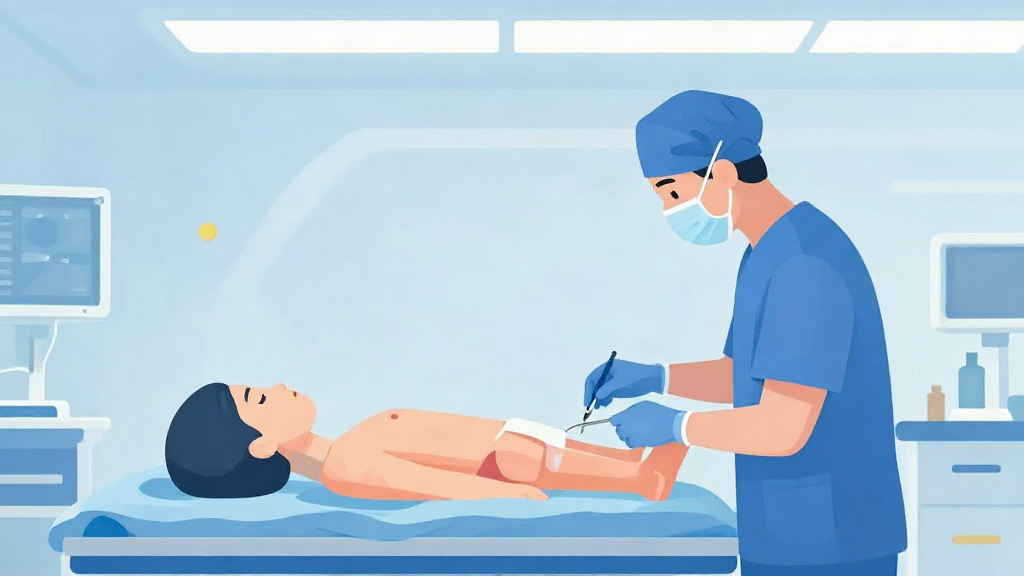
FAST-IPP™ is a surgical approach designed to optimize the patient experience before, during and after penile implant surgery. Rather than introducing a new implant, it represents a refinement of how the inflatable penile prosthesis is placed.
The approach is based on four fundamental principles:
- F – Functional Optimization: Restoring reliable erectile function while prioritizing penile anatomy, appropriate implant sizing and patient satisfaction.
- A – Ambulatory Surgery: Performing surgery in an outpatient setting when medically appropriate, allowing patients to recover in the comfort of their homes.
- S – Scarless Approach: Utilizing a small, discreet scrotal incision designed to minimize visible scarring.
- T – Tissue Protection: Minimizing unnecessary manipulation and disruption of the natural erectile tissue and surrounding structures.
The term scarless refers to minimizing visible scarring through a discreet incision. All surgical procedures involving an incision result in some degree of scar formation.
Why surgical technique matters
An inflatable penile prosthesis is an established treatment for erectile dysfunction. However, the surgical technique used to place the implant can influence the patient’s recovery, cosmetic appearance and overall experience.
Traditional penile implant surgery may involve the use of a urinary catheter, surgical retractors and varying degrees of corporal dilation.
With FAST-IPP™, my approach emphasizes minimizing unnecessary instrumentation and preserving native penile tissue whenever possible.
Key elements of the technique include:
- A small scrotal incision.
- Avoidance of routine urinary catheter placement.
- Avoidance of traditional surgical retractors.
- A cavernosal tissue-sparing approach.
- Individualized implant sizing.
- Local anesthetic blocks combined with sedation in appropriately selected patients.
- A postoperative pain management strategy designed to minimize opioid use.
The objective is to accomplish the reconstructive goals of penile implant surgery while minimizing unnecessary disruption of the surrounding anatomy.
Preserving penile length and natural appearance
One of the most common concerns expressed by men considering penile implant surgery is the potential loss of penile length.
Many patients have already experienced changes in penile dimensions due to longstanding erectile dysfunction, prostate cancer treatment, diabetes, Peyronie’s disease or corporal fibrosis.
Penile implant surgery should not simply focus on placing a device. It should also consider the patient’s existing anatomy, tissue elasticity and functional penile dimensions.
The FAST-IPP™ approach incorporates careful anatomical assessment, tissue preservation and appropriate cylinder selection to optimize the functional result.
Although a penile implant is not inherently a penile enlargement procedure, careful surgical planning may help preserve available penile dimensions. Patients with significant shortening or deformity may require additional reconstructive procedures.
An outpatient approach to penile implant surgery
Advances in surgical technique, anesthesia and postoperative pain management have made outpatient penile implant surgery possible for many patients.
The FAST-IPP™ approach is designed to facilitate same-day discharge when appropriate.
Local anesthetic techniques and sedation can provide an alternative to general anesthesia in selected patients. Postoperative pain management emphasizes non-opioid medications whenever clinically appropriate.
Potential advantages of this approach include:
- Reduced reliance on opioid pain medications.
- Avoidance of unnecessary urinary catheterization.
- Recovery in a familiar home environment.
- A more streamlined surgical experience.
Recovery varies according to the patient’s medical history, surgical complexity and individual healing response.
Who is a candidate for FAST-IPP™?
Men who may benefit from penile implant surgery include those experiencing:
- Erectile dysfunction that no longer responds adequately to oral medications.
- Erectile dysfunction following prostate cancer surgery or radiation therapy.
- Diabetes-related erectile dysfunction.
- Peyronie’s disease associated with erectile dysfunction.
- Dissatisfaction with penile injections or vacuum erection devices.
Patients requiring revision of an existing penile implant may also benefit from selected principles of the FAST-IPP™ approach, although revision surgery often requires additional surgical modifications.
A comprehensive consultation is necessary to determine the most appropriate treatment.
What about surgical risks?
Penile implant surgery is generally associated with high patient satisfaction, but it remains a surgical procedure with potential risks.
These include infection, bleeding, hematoma, pain, mechanical device failure, erosion, injury to surrounding structures and the possible need for additional surgery.
My approach incorporates infection prevention measures, careful tissue handling and individualized surgical planning. No surgical technique can eliminate all complications, and patients should understand the potential benefits and risks before proceeding.
Frequently asked questions
Is FAST-IPP™ a new type of penile implant?
No. FAST-IPP™ is a surgical approach to placing an inflatable penile prosthesis. The implant is selected according to the patient’s anatomy and individual needs.
Will I need a urinary catheter?
Routine urinary catheterization is avoided with my FAST-IPP™ technique. However, certain clinical circumstances may require catheter placement.
Will I need to stay overnight in the hospital?
Many patients can return home on the day of surgery. Medical conditions or surgical complexity may require additional observation.
Will the procedure increase my penile length?
The primary objective is to restore erectile function while preserving and optimizing available penile dimensions. Penile enlargement is not guaranteed.
When can I resume sexual activity?
Many patients resume sexual activity approximately four to six weeks after surgery, provided healing is adequate and they have received clearance from their surgeon.
Is FAST-IPP™ less painful than traditional implant surgery?
The technique is designed to minimize surgical trauma and reduce reliance on opioid pain medications. Individual pain experiences vary, and comparative clinical studies are needed to establish whether the approach consistently reduces pain relative to other techniques.
A personalized approach to restoring sexual function
Throughout my career in prosthetic urology, I have focused on refining surgical techniques that address not only erectile dysfunction but also the broader concerns patients have about penile anatomy, appearance, recovery and sexual confidence.
FAST-IPP™ reflects that philosophy.
Successful penile implant surgery should be measured not simply by the ability to achieve an erection, but by how effectively the treatment addresses the patient’s functional goals and quality of life.
Schedule a confidential consultation in New York City
If erectile dysfunction is affecting your quality of life and conventional treatments are no longer providing satisfactory results, a penile implant may be an appropriate option.
A personalized consultation can help determine whether the FAST-IPP™ approach is right for you.
Restore function. Preserve anatomy. Rebuild confidence.
Visit ValenzuelaUrology.com to schedule a confidential consultation.
This article is for educational purposes only and is not medical advice.